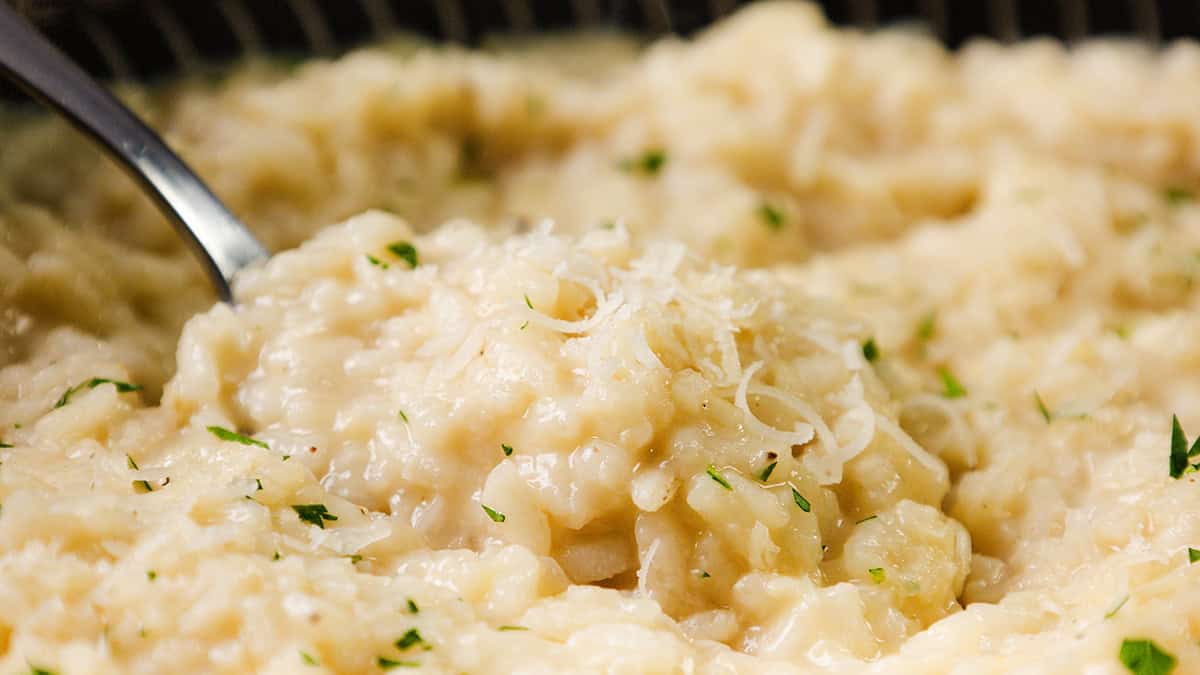
The Magic of Easy Parmesan Risotto: More Than Just a Side
Imagine a dish that effortlessly brings a touch of gourmet comfort to your table, yet is surprisingly simple to master. That's the allure of Master Easy Parmesan Risotto: Creamy & Simple Recipe Guide. This classic Italian staple, with its velvety texture and rich, savory flavor, is far more than just a humble side dish. It’s a versatile culinary canvas, ready to elevate any meal or stand proudly as the star of the show.
For many, risotto conjures images of demanding kitchen hours and complex techniques. However, the truth is, a truly exceptional easy parmesan risotto can be achieved in your own home with just a little attention and a handful of quality ingredients. From its humble beginnings of tender Arborio rice slowly coaxed with warm chicken stock, to its luxurious finish with fresh butter and a generous shower of grated Parmesan, this dish promises a comforting embrace with every spoonful.
Whether you're looking for a sophisticated accompaniment to a succulent steak, a creamy bed for seared scallops, or a hearty vegetarian main course, understanding the fundamentals of this accessible dish will unlock a world of culinary possibilities. Let’s dive into what makes this particular risotto so special and how you can bring its comforting magic to your kitchen.
Demystifying the Creaminess: The Secret Behind Authentic Risotto
One of the most common misconceptions about achieving that signature creamy texture in risotto is the addition of heavy cream. In reality, authentic Italian risotto, especially a classic easy parmesan risotto, achieves its luxurious consistency through a fascinating culinary process that requires no dairy cream at all. The secret lies primarily in two key elements: the type of rice and the art of gentle, continuous stirring.
The star of the show is The Secret to Creamy Parmesan Risotto (No Cream Needed!): Arborio rice. Unlike typical long-grain rice, Arborio is a short-grain varietal exceptionally rich in amylopectin, a type of starch. As the rice grains are gently stirred during cooking, this starch is gradually released into the surrounding liquid. This process, known as "mantecatura" (when butter and cheese are incorporated at the end), is what creates that velvety, almost saucy texture that coats each individual grain without becoming gummy or pasty.
The gradual addition of warm stock is also crucial. Adding liquid in small increments allows the rice to absorb it slowly and evenly, facilitating the controlled release of starches. Using hot stock prevents shocking the rice and slowing down the cooking process. It’s a rhythmic dance between absorption, release, and incorporation, culminating in a dish that is both comforting and incredibly elegant. So, put away the heavy cream – true risotto magic comes from the rice itself and a little bit of your loving attention!
Mastering the Art: A Step-by-Step Guide to Your First Easy Parmesan Risotto
Creating your own homemade easy parmesan risotto is a rewarding experience that begins with understanding a few fundamental steps and key ingredients. Let’s walk through the process, ensuring your first attempt is a resounding success.
Essential Ingredients for a Perfect Risotto:
- Arborio Rice: The non-negotiable star, as discussed, for its starch content.
- Butter & Olive Oil: Used to sauté aromatics and finish the dish, adding richness.
- Shallots & Garlic: Provide the aromatic base, building layers of flavor. Shallots offer a milder, sweeter onion flavor than traditional onions.
- Dry White Wine: Such as Pinot Grigio or Sauvignon Blanc. This deglazes the pan, adds a touch of acidity, and complexity to the flavor profile.
- Chicken Stock (or Vegetable Stock): Must be warm, ideally simmering gently on a separate burner, and of good quality. This is the primary cooking liquid.
- Freshly Grated Parmesan Cheese: The backbone of the flavor, adding saltiness and umami. Always grate it fresh for the best texture and taste.
- Salt & Freshly Ground Black Pepper: To season throughout the process.
The Process: From Pan to Plate
- Sauté the Aromatics: Begin by melting butter and a drizzle of olive oil in a heavy-bottomed pot or Dutch oven over medium heat. Add finely diced shallots and cook until softened and translucent, then add minced garlic and cook for another minute until fragrant.
- Toast the Rice: Add the Arborio rice to the pot and stir constantly for 1-2 minutes until the edges of the grains become translucent but the center remains opaque. This "toasting" step, called tostatura, is crucial for locking in the starch and preventing the rice from becoming mushy.
- Deglaze with Wine: Pour in the white wine and stir until it's completely absorbed by the rice. The alcohol will cook off, leaving behind a wonderful depth of flavor.
- Gradually Add Stock: Begin adding the warm stock, one ladleful (about ½ to ¾ cup) at a time. Stir frequently, allowing each addition of liquid to be almost completely absorbed before adding the next. This constant stirring helps to release the starches and create the creamy texture.
- Taste and Adjust: Continue this process for about 18-20 minutes, or until the rice is tender but still has a slight bite in the center – al dente. You may not use all the stock, or you might need a little more; trust your taste buds and the rice's texture.
- The Grand Finale (Mantecatura): Once the rice is perfectly cooked, remove the pot from the heat. Stir in a generous knob of cold butter and a large handful of freshly grated Parmesan cheese. Stir vigorously until the butter melts and the cheese is fully incorporated, creating that famously silky, luscious texture. Season with salt and pepper to taste.
Serve immediately, as risotto doesn't wait! A garnish of extra Parmesan and a sprinkle of fresh parsley or chives adds a professional touch.
Beyond the Side: Unleashing the Versatility of Your Parmesan Risotto
The beauty of an easy parmesan risotto lies not just in its comforting simplicity but also in its incredible adaptability. While it shines brightly as a standalone side dish, its creamy texture and savory profile make it an ideal foundation for a myriad of culinary creations. Thinking beyond the serving bowl can transform your meal prep and impress your guests.
As a Culinary Base:
- With Protein: The rich creaminess of Parmesan risotto provides an exquisite bed for robust proteins. Think succulent braised boneless short ribs, perfectly seared scallops, grilled shrimp, pan-fried chicken breast, or even a simple grilled steak. The risotto absorbs the flavors of the accompanying dish, creating a harmonious and indulgent meal.
- Vegetarian Feast: For a hearty vegetarian option, fold in roasted mushrooms (cremini or wild mushrooms add immense umami), blanched asparagus spears, sweet peas, sun-dried tomatoes, or even a medley of roasted seasonal vegetables. A sprinkle of fresh herbs like thyme or basil can elevate these additions.
- Global Flavors: Don't limit yourself to Italian pairings. Consider serving it alongside a Moroccan-spiced lamb tagine for a unique fusion, or as a comforting contrast to spicy Asian-inspired chicken or tofu dishes.
Creative Applications & Leftovers:
Should you find yourself with leftover Parmesan risotto – a rare occurrence, perhaps! – there are exciting ways to repurpose it:
- Arancini: The most classic use for leftover risotto. Form chilled risotto into balls, stuff with a small cube of mozzarella, coat in breadcrumbs, and deep-fry until golden and crispy. These are delightful appetizers or snacks.
- Risotto Cakes: Press leftover risotto into small patties and pan-fry until crispy on both sides. Serve with a dollop of marinara or a fresh salad.
The possibilities are truly endless once you master the basic Master Easy Parmesan Risotto: Creamy & Simple Recipe Guide. Don't be afraid to experiment with different broths, vegetables, and proteins to discover your favorite combinations.
Common Pitfalls and How to Avoid Them
While making an easy parmesan risotto is accessible, there are a few common missteps that can prevent it from reaching its full creamy potential. Being aware of these pitfalls will help you navigate your cooking journey with confidence.
- Using the Wrong Rice: This is perhaps the biggest mistake. Long-grain rice (like Basmati or Jasmine) simply doesn't have the high amylopectin content of Arborio, Carnaroli, or Vialone Nano. Using the wrong rice will result in a soupy, bland dish rather than the desired creamy texture. Stick to short-grain Italian varieties specifically labelled for risotto.
- Cold Stock: Adding cold stock to hot rice will shock the grains, significantly slow down the cooking process, and can make it harder for the rice to release its starches evenly. Always keep your stock simmering gently in a separate pot before adding it to the risotto.
- Adding All the Liquid at Once: While some "no-stir" risotto methods exist, traditional easy parmesan risotto relies on the gradual addition of liquid. Dumping all the stock in at once will result in boiled rice rather than perfectly cooked, creamy risotto. The slow, incremental additions, combined with stirring, are vital for starch release.
- Forgetting to Stir (or Over-Stirring): Gentle, consistent stirring is key. It ensures even cooking and promotes starch release. However, don't stir constantly and vigorously. A good rhythm is to stir for about 30 seconds after adding each ladle of stock, then occasionally throughout the absorption phase. Over-stirring can break down the rice grains too much, leading to a gluey texture.
- Overcooking or Undercooking the Rice: The ideal texture for risotto rice is al dente – tender but still with a slight, pleasant chew in the center. Overcooked rice becomes mushy, while undercooked rice will be hard and chalky. Taste frequently towards the end of the cooking time to hit that perfect point.
- Skimping on the Finishing Touches: The final "mantecatura" with cold butter and freshly grated Parmesan cheese (or another hard, aged cheese) is non-negotiable. This step emulsifies the fats and starches, creating that incredibly rich, glossy, and impossibly creamy finish that defines a great easy parmesan risotto.
By avoiding these common errors, you'll be well on your way to crafting a flawless risotto every time.
Conclusion
From its humble origins to its reputation as a sophisticated culinary delight, easy parmesan risotto holds a special place in the hearts of food lovers worldwide. It’s a testament to how simple ingredients, combined with mindful technique, can transform into something truly extraordinary. This dish isn't just about feeding your body; it's about nourishing your soul with its comforting warmth and rich, savory flavors. So, gather your ingredients, take a deep breath, and embark on your risotto journey. You’ll quickly discover that achieving that perfect creamy consistency and delectable taste is not just possible, but genuinely enjoyable. Embrace the process, savor the flavors, and let this versatile Italian classic become a beloved staple in your culinary repertoire.
